Thinking about taking an HIV test for the first time? You may feel nervous, unsure or worried about what the result could mean. These feelings are normal. Getting clear information can help you feel more prepared.
An HIV self test is one way to check for signs of HIV using a test kit. It allows you to take the test yourself by following the instructions that come with the kit. For some people in Malaysia this can feel like a more private and convenient first step.
In this guide we will explain how HIV self testing works, when to take a test and what to do after getting your result.
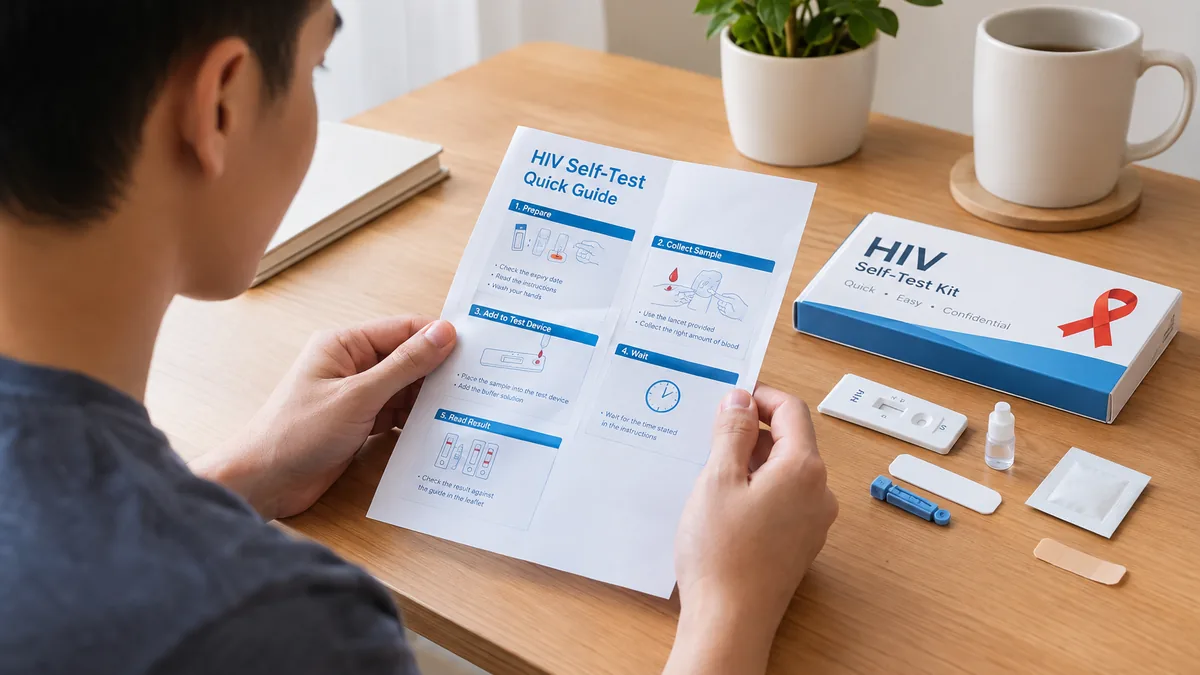
An HIV test is a kit that you use yourself to screen for HIV. Depending on the type of kit it may use a small blood sample or an oral fluid sample.
HIV is a virus that affects the body's immune system. Finding HIV early can help a person get the right care and treatment.
An HIV self-test is a screening tool. It cannot always give a final answer, so follow-up testing may be needed.
People choose self testing for different reasons. Some may want more privacy while others may find it easier to test at home.
Common reasons include:
Privacy: You can follow the kit instructions in a private place.
Convenience: You can take the test yourself without starting with a clinic visit.
Awareness: Testing can help you learn whether you need further medical advice.
Taking action: Knowing your status can help you make informed decisions about your health.
If you want to learn more about available testing products, visit Biosure Test Kit.
Different HIV test kits work in different ways. Always check the product instructions before starting.
Read the instructions carefully. Check the expiry date and make sure the packaging is not damaged. Do not use a kit that has expired or appears damaged.
Place the kit and its included items on a clean, dry surface. Make sure you have enough time to complete the test without rushing.
Use the sample type and testing method described in the kit instructions. Do not change the steps or use extra materials unless the instructions say to do so.
Every test has its own reading time. Wait for the time stated in the instructions before reading your result. Reading it too early or too late may lead to an incorrect interpretation.
Use the guide supplied with your kit to understand the result. If the result is unclear or the test does not work as expected, follow the manufacturers advice about repeating the test or seeking help.
Timing matters when testing for HIV.
After a possible exposure, the virus may not be detectable immediately. This is known as the window period. The length of this period depends on the type of test used.
Some tests can detect HIV earlier than others. A negative result taken too soon after exposure may not rule out infection.
If you took a test during the window period you may need to test again after the recommended time. Follow the instructions for your specific test and seek advice from a healthcare professional if you are unsure.
If you think you may have been exposed to HIV within the past 72 hours seek urgent medical care to ask about post exposure prophylaxis (PEP). PEP must be started within 72 hours and works best when started as soon as possible.
Understanding your result is an important part of testing. Always use the interpretation guide supplied with your kit.
A negative result means the test did not detect the signs of HIV that it looks for. However if you tested during the window period you may still need another test.
A reactive result does not by itself confirm that you have HIV. You should arrange follow-up testing through an appropriate healthcare service to confirm the result.
Try not to make assumptions before confirmation. A healthcare professional can explain the next steps and discuss care and treatment if needed.
An invalid result means the test did not produce a result that can be read correctly. Check the instructions to find out whether you should repeat the test with a new kit or seek advice.
Before choosing a test, check what type of sample it uses, how to perform it, when the result can be read, and what the manufacturer says about its limitations.
You can browse the available test kits and health products to explore the range offered by Biosure Test Kit.
If you are considering the HIV Ab/Ag 4th Generation Rapid Test read its product information carefully. Confirm whether it is intended for professional use or self-testing, and check that its approved use matches your needs. Not every rapid HIV test is suitable for home self-testing.
For products sold in Malaysia, it is also important to check applicable local medical device requirements.
Some HIV self-test kits are designed for home use. Check the intended use and instructions of the specific product before buying or using it.
Not always. The result may be affected by the window period. Follow the test's guidance on when to test and whether repeat testing is needed.
Contact a healthcare service for follow-up testing. A reactive self-test is not a final diagnosis.
Self-testing can be a useful first step but it does not replace medical advice or confirmatory testing when needed.
Taking an HIV test for the first time can feel difficult, but having the right information can make the process easier. Choose a suitable test, read the instructions carefully and pay attention to the window period.
Most importantly, remember that testing is a positive step toward looking after your health. If you receive a reactive result, seek follow-up testing and support rather than trying to understand it alone.
For more information about available products, visit Biosure Test Kit and review the product details before making a choice.
Order your discreet test kit today with fast delivery across the Malaysia.
Shop Now